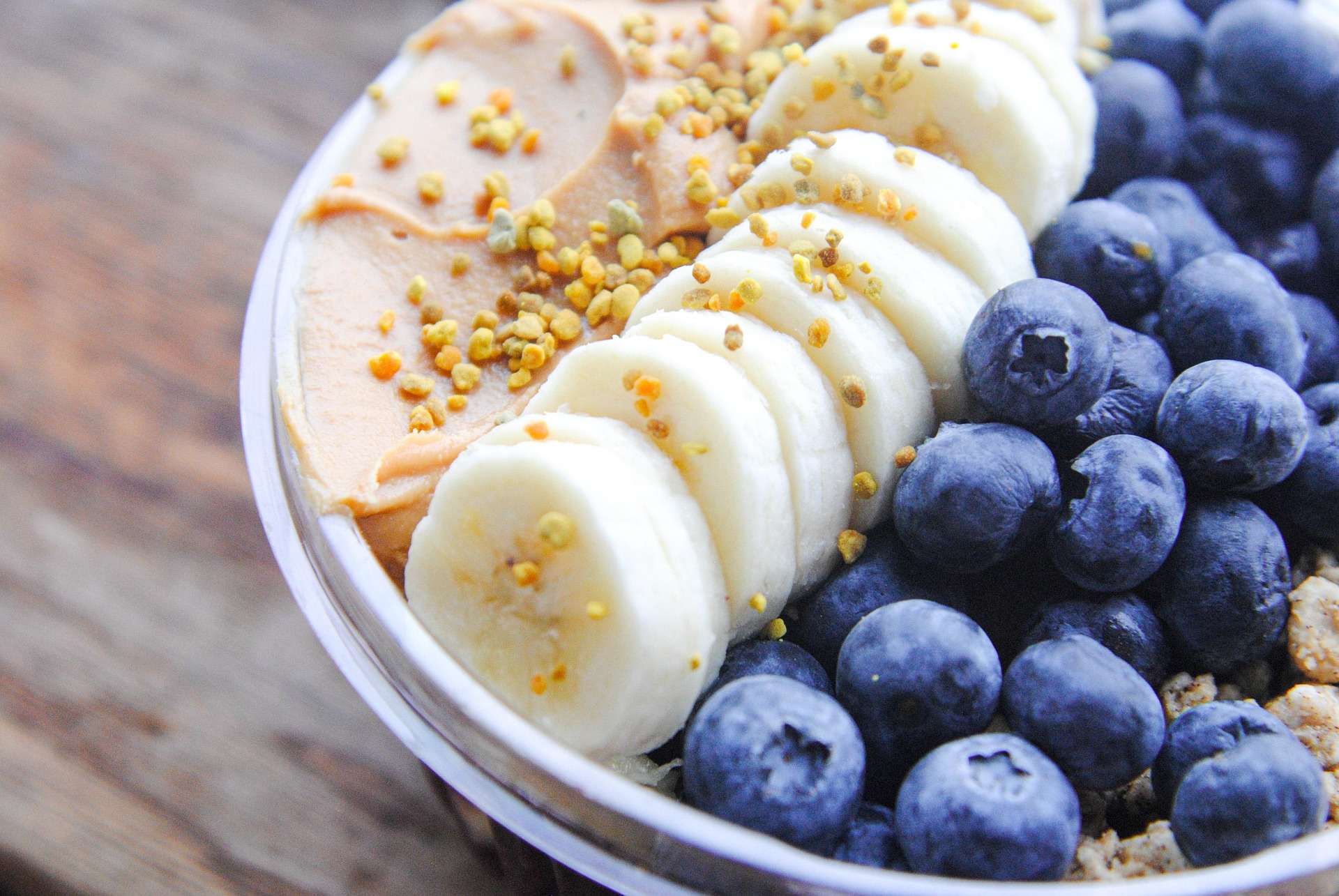
Why You Shouldn’t Mix Bananas & Berries: A Cellular Perspective
August 21, 2025
Introduction
It’s common to reach for a banana–berry smoothie to kick-start the morning. This combination can be delicious, convenient, and nutritious, but if your goal is to maximize the flavanol content of berries, there may be a reason to reconsider blending the two fruits together.
Bananas contain relatively high activity of polyphenol oxidase (PPO), an enzyme involved in browning when fruit is cut or blended. PPO may degrade flavanols, beneficial plant compounds found in foods such as berries, grapes, cocoa, and tea, before they can be absorbed.
This is not because bananas and berries require incompatible digestive enzymes or fundamentally conflicting pH environments. Rather, the potential issue is a food-preparation and bioavailability effect: blending banana with flavanol-rich berries may reduce the amount of these compounds available to the body.
Divergent Biochemical Profiles
Bananas and berries differ fundamentally in their macronutrient and phytonutrient makeup:
- Bananas provide carbohydrate, potassium, and other micronutrients. Their carbohydrate profile changes substantially with ripeness: greener bananas contain more resistant starch, while ripening converts more of that starch into sugars.
- Berries (e.g., strawberries, blueberries, raspberries) are low‐glycemic and packed with soluble fiber, vitamin C, and potent polyphenols (anthocyanins) that support antioxidant defenses and redox signaling in cells.
Digestion & Enzyme Dynamics
Starch digestion begins in the mouth, where salivary amylase begins breaking down digestible starch. Acidic foods can influence the digestion of starchy meals. A meal with higher acidity may starch digestion and lower the glycemic response.
Glycemic Impact & Insulin Response
Bananas typically have a moderate glycemic index (GI), generally around 50–60, while most berries have a lower glycemic impact.
A banana’s effect on blood sugar depends on its ripeness, portion size, preparation, and what it is eaten with. Greener bananas contain more resistant starch, while riper bananas contain more readily available sugars and may produce a greater glucose response. Berries are generally lower in available carbohydrates per serving and provide fiber, which can slow starch digestion.
Individual responses vary, but when eaten by itself, a banana elicits a moderate insulin response, allowing stable blood‐sugar control.
Frequent insulin surges not only promote fat storage but also drive the formation of advanced glycation end‐products (AGEs), which stiffen proteins and accelerate cellular aging, undermining the goals of “Reduce AGEs = Reduce Aging Everywhere.”
Gut Microbiome & SCFA Production
Fiber that reaches the colon can be fermented by gut microbes to produce short-chain fatty acids (SCFAs), including acetate, propionate, and butyrate. These metabolites can support colonic physiology and mucosal barrier function. Green bananas are a source of resistant starch, and their resistant-starch content is higher before ripening. Berries also contribute fermentable fiber and polyphenols that may interact with the gut microbiome.
Separating berry and banana consumption ensures each fermentable substrate is processed in its optimal window, maximizing SCFA output and supporting mucosal health as detailed in [Fiber: A Cornerstone of Cellular Health and Longevity].
Cellular & Systemic Consequences
Blending banana with flavanol-rich, such as berries, may reduce the flavanols that remain available for absorption because of PPO activity, which can have consequences beyond just GI discomfort, such as:
- Erratic Glycemic Control fosters systemic inflammation via repeated insulin peaks and AGEs, contributing to “inflammaging” (chronic low‐grade inflammation that accelerates cellular aging).
- Reduced SCFA Availability impairs regulatory T‐cell differentiation and weakens mucosal barrier integrity, increasing lipopolysaccharide (LPS) translocation and systemic inflammatory signaling.
Optimal fruit combining thus becomes a simple strategy to minimize oxidative stress, temper inflammatory cascades, and preserve cellular resilience.
Practical Guidelines for Optimal Fruit Combining
- Separate Your Fruits
- If your priority is maximizing berry- and cocoa-derived flavanol exposure, avoid blending bananas with berries, grapes, cocoa, or other flavanol-rich ingredients. Choose a berry-based smoothie without banana, and enjoy banana at another time of day.
- Enjoy berries as a standalone snack or pair them with Greek yogurt, kefir, nuts, seeds, or another protein-rich food.
- Save bananas for a later snack, perhaps with nut butter, yogurt, or another source of protein and fat to create a more filling option.
- Stagger Timing
- Consume your banana and berry in separate meals or snacks to reduce PPO-related flavanol loss.
- Balance with Protein & Fat
- Pair bananas with protein or healthy fat, such as Greek yogurt, cottage cheese, soy yogurt, nuts, seeds, or almond butter, to support fullness and help moderate the overall post-meal glucose response.
- Pair bananas with a protein or healthy fat (e.g., almond butter) if you must eat them together; this blunts the glycemic response and supports steady energy.
- Listen to Your Gut
- Notice how portion size, banana ripeness, smoothie ingredients, and eating speed affect your digestion. Gas or bloating may reflect individual sensitivity to fermentable carbohydrates, large fiber loads, lactose-containing dairy, added sugar alcohols, or another ingredient.
Conclusion & Call to Action
While banana–berry smoothies are undeniably tasty, combining them may reduce some of the benefits you get from berries. Bananas have high polyphenol oxidase (PPO) activity, which can significantly reduce the bioavailability of beneficial berry flavanols. When maximizing polyphenol absorption is the goal, consider enjoying bananas separately and pairing berries with lower-PPO foods.
For a personalized nutrition plan, book a consultation with Dr. Seeds. Together, we’ll refine food combinations and dietary strategies to support nutrient absorption, metabolic health, and long-term vitality.